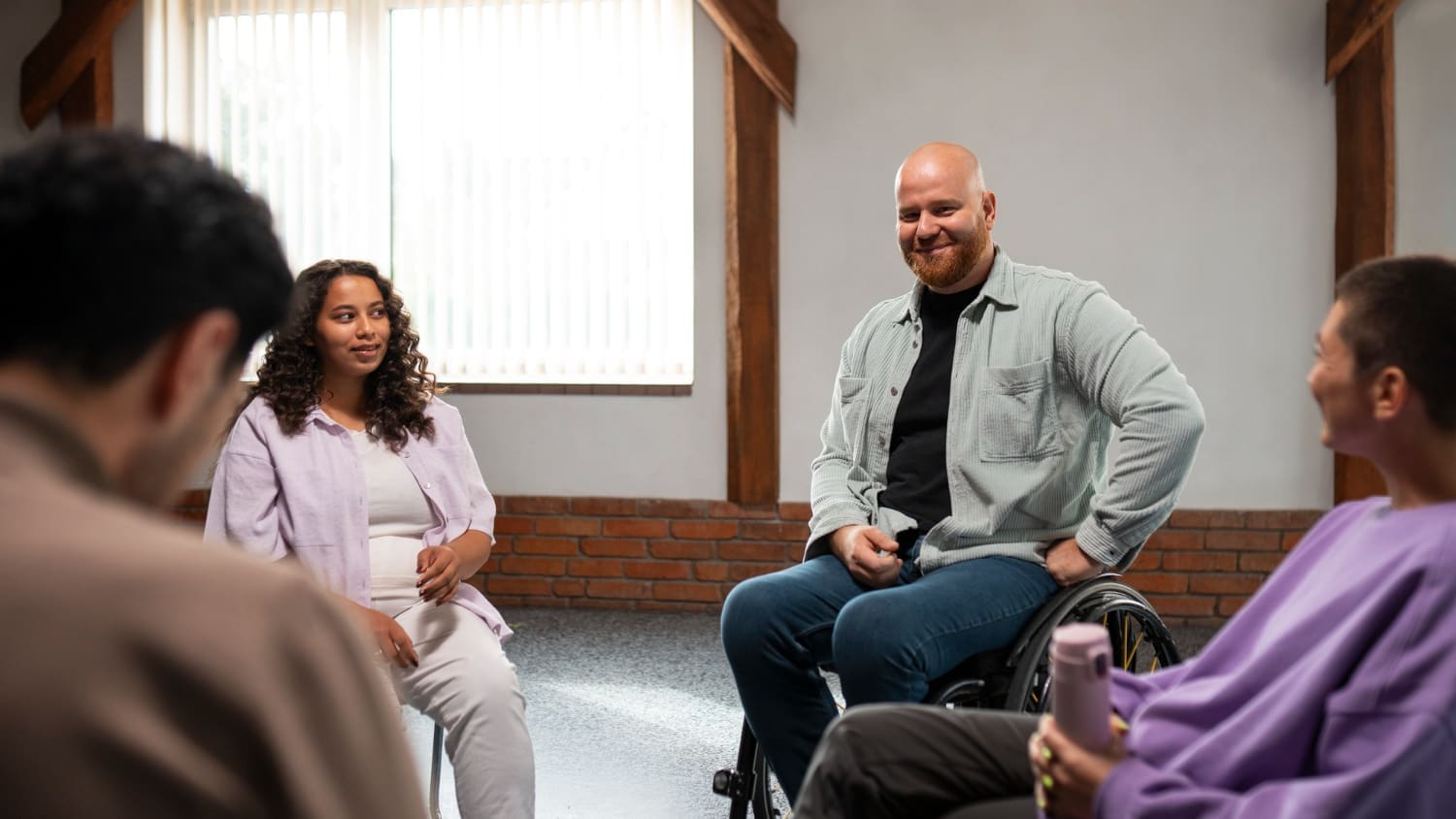
Trauma Therapy That Supports Your Healing at Your Pace

Online trauma and PTSD therapy for adults and teens throughout New York.

Welcome

Understanding What You're Going Through

Trauma can affect the way you see yourself, other people, and the world around you.

You might feel constantly on edge, disconnected from yourself or others, or find yourself replaying painful memories that are difficult to escape. Even when time has passed, your mind and body may still be responding to what happened.

Trauma isn’t only about what happened. It’s also about how your mind and body responded to the experience. You may have been through one overwhelming event, or you may have experienced ongoing stress over a longer period of time. Either way, your nervous system may still be working hard to protect you.

Some of the responses that helped you get through difficult experiences can continue to affect you long after the experience itself has passed. In trauma therapy, we work together to understand these patterns, build a greater sense of safety, and find ways to respond with more flexibility.

Understanding What You're Going Through

Recognizing Trauma

Common Signs You May Be Experiencing Trauma

You may be dealing with the effects of trauma if you’re experiencing:

Some people develop post-traumatic stress disorder, or PTSD, after experiencing trauma. Others may struggle with the effects of trauma without having a PTSD diagnosis.

You don’t need to have the right words for what you’re experiencing before reaching out. If something from the past is affecting your well-being, relationships, or daily life, therapy can be a place to begin making sense of it.

Who We Help

Who We Can Help

Trauma therapy may be helpful for:

  • Adults or teenagers navigating childhood or relationship trauma
  • Survivors of religious, cultural, or identity-based trauma
  • People experiencing post-traumatic stress, with or without a formal diagnosis
  • People affected by repeated or ongoing distressing experiences
  • Those who feel stuck in patterns connected with past experiences
Who We Can Help

Virtual Care

Online Trauma Therapy Throughout New York

Thought Shift Therapy offers online trauma therapy throughout New York State. Virtual sessions allow you to receive support from a private space where you feel comfortable.

Talking about trauma can feel difficult, especially when you’re not sure where to start. Being in your own space may make it feel a little easier to take that first step. Online therapy also means you don’t have to travel to an office, and you can give yourself some time afterward to ground yourself or reflect.

Sessions take place through secure video. You’ll need a private space and a reliable internet connection. During your consultation, we can talk about your needs and whether online trauma therapy feels like an appropriate option for you.

Our Approach

Our Approach to Trauma and PTSD Therapy

Trauma therapy can look different from person to person. We start with what you’re experiencing now and build from there, focusing on the skills and support that can help you feel more grounded before moving into deeper work.


The areas below are a guide to the process, not a set path you have to follow. We can return to different areas as your needs change.

Building Safety and Grounding

We begin by building a sense of steadiness and trust in the therapeutic relationship. Having that foundation can make it easier to explore difficult experiences when you’re ready.

  • Mindfulness and Grounding Techniques can help you notice signs of distress and bring your attention back to the present. You can practice ways to respond when emotions or physical sensations start to feel overwhelming.
  • Cognitive Behavioral Therapy can help you recognize thoughts that contribute to feeling unsafe or constantly on alert. Together, we look at these beliefs in the context of your experiences and begin developing more balanced ways of responding.

What we work toward: Greater awareness of your triggers and more confidence using skills to regulate emotions and manage distress.

Understanding and Reframing Your Experiences

As you begin to feel more grounded, we can explore how past experiences have shaped the way you see yourself and your relationships.

  • Narrative Therapy can help you make sense of your story and the meaning you’ve attached to what you’ve experienced. This work can create space to recognize the impact of trauma while also making room for other parts of who you are.
  • Cognitive Behavioral Therapy can also help you examine self-blame and thoughts such as, “I’ll never feel okay again.” Together, we look at where these thoughts come from and work toward a more compassionate and realistic perspective.

Gradually Approaching What Feels Difficult

When it’s appropriate and you’re ready, we may work together on approaching memories, feelings, or situations you’ve been avoiding. Your therapist will explain the process and help you build the skills you need to participate in it.

  • Exposure Therapy offers a gradual, structured way to approach trauma-related fears and reminders that are safe to encounter. The process is planned together, with attention to your needs and how you respond.
  • Somatic and Mindfulness-Based Practices can help you notice physical responses such as tension, restlessness, or feeling shut down. You can learn to recognize these responses and use grounding and awareness to support regulation.

Developing a More Compassionate Relationship With Yourself

We can also explore responses that developed to help you cope, such as protecting yourself, pleasing others, or withdrawing. Understanding why these responses developed can create more space to choose how you want to respond now.

  • Parts Work and Inner Child Exploration can help you approach younger or hurt parts of yourself with curiosity and care. Together, we explore the needs and feelings connected with these experiences.
  • Mindfulness and Self-Compassion Practices can help you notice self-judgment and practice responding to your emotions and needs with greater kindness.

Reconnecting With Life and Relationships

As therapy progresses, we can explore how you want to show up in your relationships, daily life, and sense of purpose.

  • Narrative and Meaning-Making Approaches can help you consider what healing means to you and how your experiences fit into the story you want to carry forward.
  • Mindfulness and Grounded Action can support small, intentional steps toward the activities and connections that matter to you.

Getting Started

How We Begin

01

Schedule a consultation

All of our therapists offer a free 15-minute call. This is an opportunity to ask questions and share a little about what brings you to therapy.

02

Understand your needs

We talk about the challenges you’re experiencing, what you hope to work on, and which therapist may be a good fit.

03

Begin therapy

 Together, you and your therapist develop an approach that reflects your needs, with space to adjust the pace as you go.

Testimonials

What Our Clients Says

EXCELLENT
Google star 1Google star 2Google star 3Google star 4Google star 5
Based on 5 reviews
Posted on Google Google
Alex profile picture
Alex
Google star 1Google star 2Google star 3Google star 4Google star 5Trustindex verifies that the original source of the review is Google.
Would absolutely recommend this practice; very professional while also personable, kind, and helpful which is not always easy to come by.
Posted on Google Google
Angel Vasquez profile picture
Angel Vasquez
Google star 1Google star 2Google star 3Google star 4Google star 5Trustindex verifies that the original source of the review is Google.
A wonderful therapy practice with caring, knowledgeable professionals who really take the time to listen. Highly recommend!
Posted on Google Google
Corina Funez profile picture
Corina Funez
Google star 1Google star 2Google star 3Google star 4Google star 5Trustindex verifies that the original source of the review is Google.
I chose this therapy practice because I really connected with the message on their website, and it’s amazing to see that they truly live by it. They supported me through a difficult transition and helped me build the tools I needed to get through a really challenging time. The free consultations made such a difference—it allowed me to find the therapist who felt like the best fit, and honestly, they were all incredible. I’m so grateful for the care, compassion, and guidance I received here. Highly recommend!
Posted on Google Google
Jessica Esposito profile picture
Jessica Esposito
Google star 1Google star 2Google star 3Google star 4Google star 5Trustindex verifies that the original source of the review is Google.
Thought Shift Therapy is outstanding! Their therapists are exceptionally skilled and provide high-quality care. I highly recommend them for anyone seeking specialized, culturally sensitive therapy.

Questions

Frequently Asked Questions About Trauma Therapy

Do I need a PTSD diagnosis to start trauma therapy?

No. You can seek support if something you’ve experienced in the past is affecting your emotions, relationships, or daily life. Your therapist can help you understand what you’re experiencing and discuss an approach that fits your needs.

You don’t have to share details of what happened during a consultation or before you feel ready. We begin by getting to know you and supporting your sense of stability. If an approach involves working more directly with memories, your therapist will explain the process and talk through your options with you.

Online trauma therapy can be a helpful option when it fits your needs and circumstances. Through video sessions, you can build a therapeutic relationship, explore patterns, and practice grounding and emotional regulation skills. We’ll consider your comfort, privacy, and support needs when discussing whether virtual care is appropriate for you.

There isn’t one set timeline for trauma therapy. The length of therapy can depend on your experiences, current concerns, and goals. Building trust and developing new skills can take time, and the pace may change throughout the process. You and your therapist will check in about how the work is going and what kind of support you need.

Yes. Our practice works with teenagers as well as adults. During the consultation, we can discuss your teen’s needs, clinician availability, and whether our services are a suitable fit.

It’s understandable to have questions or concerns about starting therapy again. You’re welcome to share what your previous experience was like, including what felt helpful and what didn’t. That conversation can help us better understand what you need from the therapeutic relationship and approach this time.

Ready to Take the Next Step?

Give Yourself Space to Heal

If you’re considering trauma or PTSD therapy in New York, we invite you to schedule a free 15-minute consultation. You can learn more about our approach and ask questions before deciding whether you’d like to move forward.

Insurance Inquiries

Check Your Insurance

If you’d like us to check your insurance before you begin, complete the form below. We’ll review your information and get back to you.

send us a message